
From the Sensex firms, Axis Bank, Kotak Mahindra Bank, Maruti, UltraTech Cement, Bajaj Finance, ICICI Bank, Reliance Industries, Tata Steel, Bharti Airtel and HDFC Bank were among the major laggards. However, Trent, State Bank of India, Bharat Electronics, Titan and Bajaj Finserv were among the gainers.

Benchmark BSE Sensex rallied 746 points to close above the 80,000 mark on Monday following buying in oil, auto and banking shares amid fresh foreign fund inflows. The 30-share Sensex jumped 746.29 points or 0.93 per cent to settle at 80,604.08 with 26 of its constituents ending higher.
From the Sensex firms, Tata Motors, Titan, Eternal, Power Grid, Tata Steel, Larsen & Toubro, Mahindra & Mahindra and Hindustan Unilever were among the biggest laggards. Bajaj Finserv, Asian Paints and Tech Mahindra were the gainers.

Among the Sensex firms, Mahindra & Mahindra jumped the most by 5.96 per cent. Bajaj Finance, Bajaj Finserv, Trent, ITC and HDFC Bank were also among the gainers. However, Maruti Suzuki India, Bharat Electronics, HCL Tech, NTPC, Power Grid, Infosys and Reliance Industries were among the laggards.
Stock markets declined for the second day in a row on Friday, with the Sensex tumbling 721 points due to heavy selling in financial, IT and oil & gas shares amid persistent foreign fund outflows.

Macroeconomic data announcements, global trends and trading activity of foreign investors would be the major driving factors for the equity markets this week, according to analysts.
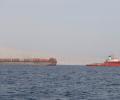
US strikes on Iran's three main nuclear facilities have once again raised concerns that Tehran might shut down the Strait of Hormuz - one of the world's most critical chokepoints, through which a fifth of global oil and gas supply flows.

If pharmaceutical exports from India to the US come under a 25 per cent tariff bracket, the impact on earnings before interest, tax, depreciation and amortisation (Ebitda) could be around 5 per cent, felt analysts. This is after assuming that about 75 per cent of the tariff would be passed on.

Equity investors would track global market trends, inflation data and trading activity of foreign investors for further cues this week, analysts said. Moreover, progress of monsoon and developments related to trade talks would also be monitored by investors, experts noted.

The Supreme Court has permitted the sale and bursting of green crackers in Delhi-NCR for Diwali, relaxing the ban on green firecrackers as a temporary measure from October 18 to 21. The court has asked pollution control boards to monitor pollution levels and file reports. The order also includes measures to prevent the sale of non-compliant crackers.
Among Sensex firms, Tata Motors rose the most by 3.5 per cent while Adani Ports gained 3.16 per cent. Reliance Industries rose by 2.82 per cent. Eternal, Tech Mahindra, Kotak Mahindra Bank, Hindustan Unilever and Maruti were also among the gainers. However, Bajaj Finserv, Power Grid, Mahindra & Mahindra and HCL Tech were among the laggards.

From the Sensex firms, Eternal, Mahindra & Mahindra, Maruti, Bajaj Finance, Tata Steel, Bharti Airtel, Bajaj Finserv, Asian Paints, Power Grid and State Bank of India were among the laggards. Kotak Mahindra Bank, Axis Bank, Titan, HCL Tech, Tata Motors, Infosys and Tata Consultancy Services were the gainers.

Sensex sinks 573 pts on global tensions and high crude prices

Global funds' assets under custody (AUC) in India have been flat this year, with a Rs 2 trillion drop in information technology (IT) holdings offset by gains in financial stocks. AUC is the total market value of equities held by FPIs.

'The market's sharp decline recently has shaken the confidence of retail investors, leading to increased selling.'

Stock markets are in for an event-heavy week ahead with a raft of Q1 earnings from blue-chips, the US Fed interest rate decision and foreign investors trading activity driving investors' sentiment, analysts said. Macroeconomic data announcements, monthly auto sales numbers and global market trends would also guide movement in the domestic equities, they said.
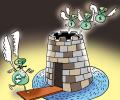
Foreign investors have pulled out a massive Rs 22,000 crore from Indian equities so far this month, due to uncertainty surrounding the outcome of the Lok Sabha elections and outperformance of Chinese markets.

Do home prices really never fall? Ramalingam Kalirajan begs to differ.

ICICI Bank jumped 2.76 per cent after the company posted a 15.9 per cent jump in its consolidated net profit for the June quarter to Rs 13,558 crore compared to Rs 11,696 crore in the year-ago period. HDFC Bank climbed 2.19 per cent despite the firm reporting a 1.31 per cent decline in its consolidated net profit to Rs 16,258 crore for the June 2025 quarter. Mahindra & Mahindra, Bharat Electronics, Kotak Mahindra Bank and Tata Motors were also among the gainers.

Revenues from Bangladeshi patients have declined by 30% to 35% in 2024-2025. Bangladesh typically accounts for 70% to 75% of all medical visas issued by India.

Maruti Suzuki's e-Vitara marks its high-stakes EV debut with strong export ambitions, lifting its stock even as analysts caution over pricing and fierce competition.
Among Sensex firms, Maruti zoomed the most by 8.94 per cent. Bajaj Finance rallied over 5 per cent, UltraTech Cement by 3.71 per cent, and Bajaj Finserv by 3.7 per cent. Mahindra & Mahindra, Hindustan Unilever and Trent were also among the gainers. However, ITC was the biggest loser, dropping by 1.26 per cent. Eternal, Tech Mahindra and Larsen & Toubro also declined.

The domestic stock market this week would monitor the geopolitical developments after India and Pakistan reached an understanding to stop military actions, analysts said. Moreover, macroeconomic data announcements, Q4 earnings, trading activity of foreign investors and global market trends are also likely to influence sentiments, traders said.
From the Sensex firms, Hindustan Unilever, Kotak Mahindra Bank, Trent, Reliance Industries, Asian Paints and ITC were among the gainers. However, Bharat Electronics Ltd, Tech Mahindra, UltraTech Cement, Maruti and Eternal were among the laggards.

In today's dynamic economic landscape, commerce and management education is crucial for a global career, says Nayagam PP.

Among Sensex firms, Mahindra & Mahindra, Tech Mahindra, State Bank of India, Infosys, Adani Ports and ITC were the major gainers. However, Eternal, Sun Pharma, Tata Steel, Tata Motors, Bajaj Finance and Bharat Electronics were among the major laggards.

From the Sensex constituents, Tata Steel, Bajaj Finance, Bharti Airtel, Adani Ports, Eternal, Bajaj Finserv, NTPC, HDFC Bank, Reliance Industries and Axis Bank were among the major gainers. In contrast, Trent, State Bank of India, Tech Mahindra, Maruti and Mahindra & Mahindra were among the laggards.

Sun Pharma, NTPC, Maruti, Bharti Airtel, Trent and Axis Bank were also among the gainers. However, Tata Motors, Power Grid, Eternal, Bajaj Finserv and Hindustan Unilever were among the laggards.

Investors became richer by nearly Rs 8 lakh crore on Wednesday as benchmark BSE Sensex surged by 740 points amid value buying in utilities and power shares and a strong trend in global markets. The 30-share BSE Sensex surged by 740.30 points or 1.01 per cent to close at 73,730.23.
From the Sensex firms, Adani Ports, Eternal, Bajaj Finance, Axis Bank, Bajaj Finserv, Reliance Industries, Power Grid and NTPC were the major gainers. Sun Pharma, however, tanked over 5 per cent.
From the Sensex pack, Bajaj Finserv, Larsen & Toubro, Bajaj Finance, HDFC Bank, Bharat Electronics and Kotak Mahindra Bank were among the major laggards. However, Tata Steel, Asian Paints, UltraTech Cement, and Trent were the biggest gainers.

Stock market benchmark indices Sensex and Nifty tumbled over 1 per cent each on Friday as tensions soared between India and Pakistan, fuelling fears of a wider conflict.
Among Sensex firms, Asian Paints, Bajaj Finance, Tata Steel, Bajaj Finserv, ICICI Bank, Maruti, Reliance Industries, HDFC Bank and Mahindra & Mahindra declined. Tech Mahindra, Tata Motors, Infosys, HCL Tech, IndusInd Bank and UltraTech Cement were among the gainers.

The Reserve Bank of India (RBI) has started winding down its short position in the dollar forward book, after a gap of seven months, on the back of a softening dollar, while infusing funds via open market operations (OMOs) to counter the resulting liquidity drain.

The US Fed interest rate decision, trading activity of foreign investors and quarterly earnings from corporates would largely drive the momentum in the equity market this week, analysts said. Escalating tensions between India and Pakistan over the Pahalgam terror attack will also remain on investors' radar, they added.

From the Sensex firms, Kotak Mahindra Bank, Eternal, Asian Paints, NTPC, Bharat Electronics Ltd, Adani Ports, Infosys and State Bank of India were among the major gainers. However, Titan tumbled over 6 per cent. Trent, Axis Bank, Maruti and Hindustan Unilever were also among the laggards.

Researchers from the Indian Institute of Technology-Palakkad (IIT-Palakkad) have introduced a pioneering method of generating renewable energy from human urine.

Last fortnight, State Bank of India Chairman C S Setty lifted the veil on a subject long spoken of in corporate corridors: Why can't our banks finance mergers and acquisitions (M&As)? Change is in the air: Indian Banks' Association (of which Setty is the chairman) is to "make a formal request" to Mint Road to make way for it. Thus far the exclusive turf of foreign banks even though its funding remains offshore - as in, it's not on these entities rupee-book (and a few select shadow banks) - a most lucrative segment in the investment banking suite, M&As, will be homeward-bound.

HCL Tech, State Bank of India, Infosys, Tech Mahindra, Tata Consultancy Services, Bajaj Finserv, Larsen & Toubro, Mahindra & Mahindra and Titan were also among the losers in the Sensex pack. Eternal, Hindustan Unilever, Asian Paints, ITC, Tata Motors and NTPC were among the gainers.

The risk-reward for the Indian markets, Morgan Stanley said, is turning favourable.
